
The Natural Evolution: Gaps in Primary Dentition
As children grow and their smiles evolve, the presence of gaps or spaces between teeth is not uncommon. This phenomenon, known as diastema, often raises questions about its implications on dental development. Exploring what happens with teeth that are too far apart during the formative years of a child unveils the intricate dynamics of oral health and its potential impact on the overall alignment of the dentition. If you want to consult with professional, make sure to contact risas dental orthodontist tucson.
During the formative years, it is not unusual for children to exhibit gaps or spaces between their primary (baby) teeth. This phase is a natural part of dental development as the primary teeth make way for the permanent set. Diastema can result from variations in tooth size, jaw growth, or even habits like thumb-sucking. In many cases, as the permanent teeth begin to erupt, these gaps naturally close, contributing to the establishment of a more cohesive and aligned smile.
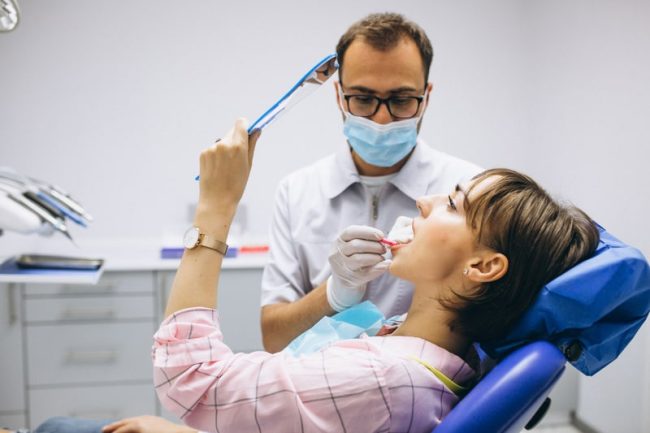
While diastema is often a transient feature in a child’s dental journey, concerns may arise when the gaps persist into the later formative years. Prolonged spaces between teeth can be attributed to a variety of factors, including jaw discrepancies or issues with tooth size. Orthodontic evaluation becomes crucial to assess the underlying causes and determine the appropriate course of action. Depending on the severity and the impact on oral health, orthodontic interventions, such as braces or other alignment procedures, may be recommended to address persistent gaps and guide the teeth towards a more harmonious arrangement.
Understanding the dynamics of teeth separation during a child’s formative years involves recognizing the natural evolution of dental development. While gaps between primary teeth are often part of the growth process, persistent spaces may necessitate professional evaluation and intervention. Consulting with a pediatric dentist or orthodontist can provide insights into the unique characteristics of a child’s smile, ensuring that any necessary steps are taken to promote optimal oral health and alignment as they continue to grow.